
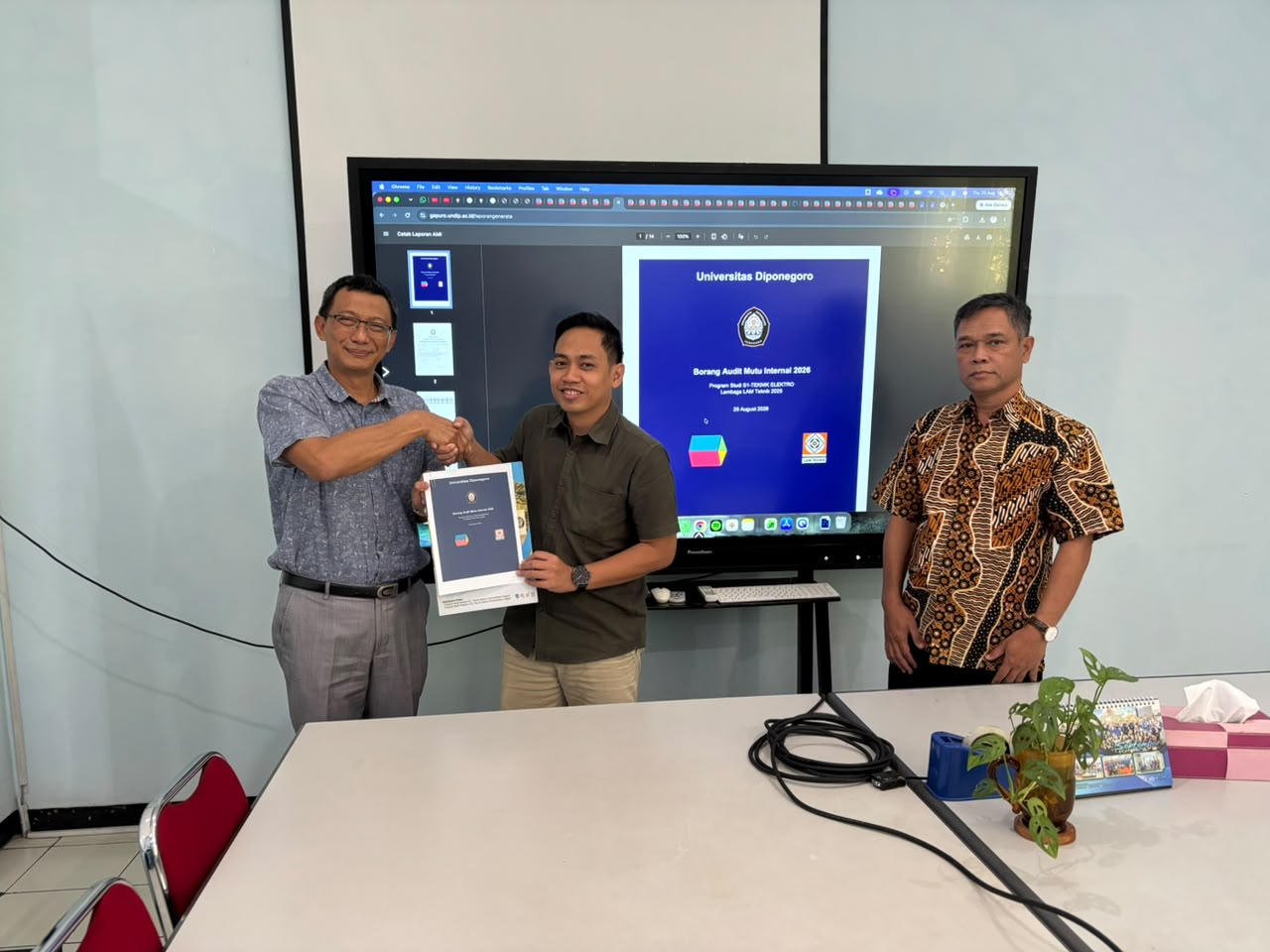
The Department of Electrical Engineering, Faculty of Engineering, Universitas Diponegoro (Undip) carried out an Internal Quality Audit (AMI) as part of its ongoing efforts to maintain and improve the quality of higher education delivery. This activity covered two study programs simultaneously — the Undergraduate Program in Electrical Engineering and the Master’s Program in Electrical Engineering — with the field assessment taking place from 3 to 28 August 2026.
AMI is an internal evaluation mechanism that serves as one of the main pillars of the Internal Quality Assurance System (SPMI) within higher education institutions. Through this audit, study programs are expected to ensure that established educational quality standards are genuinely and consistently implemented across every aspect of academic operations — from teaching and learning, to research, to community service.
Beyond being a routine evaluative activity, AMI is designed to identify various forms of non-conformity between a study program’s actual practices and the applicable quality standards and documentation. These findings then serve as the basis for the audit team to formulate constructive improvement recommendations, enabling study programs to pursue continuous improvement in line with the Plan-Do-Check-Act (PDCA) cycle.
Two Auditors for Two Study Programs
For this year’s AMI, the two study programs within the Department of Electrical Engineering were each assigned a dedicated auditor. Dr. Muhammad Luqman Hakim, S.T. served as the auditor for the Undergraduate Program in Electrical Engineering, while Dr.Eng. Ir. Deddy Chrismianto, S.T., M.T. served as the auditor for the Master’s Program in Electrical Engineering. Both auditors conducted a comprehensive review of quality documents, performance achievements, and academic practices within their respective study programs throughout the field assessment period.
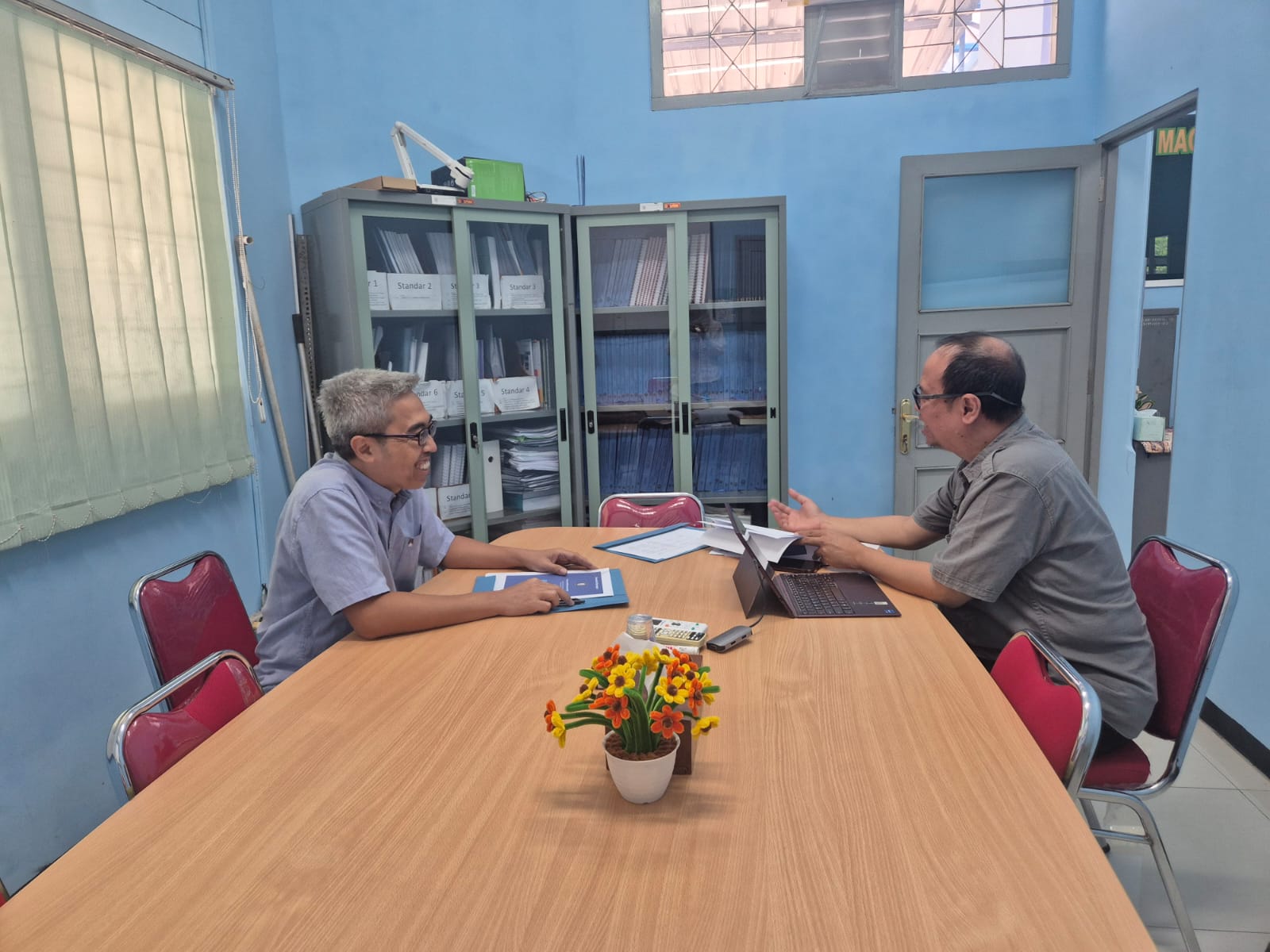
The field assessment process, which ran from early to late August 2026, involved several stages — from reviewing supporting documents and interviewing study program management, to on-site verification of learning facilities and support infrastructure. This thorough approach ensures that the audit results genuinely reflect the actual implementation of quality standards in each study program, rather than relying solely on administrative documentation.
Study program management welcomed the implementation of this AMI as part of a shared commitment to further strengthen the culture of quality within the Department of Electrical Engineering. The audit results will serve as important input for follow-up action plans, both for short-term improvements and as a basis for comprehensive evaluation in preparation for accreditation and quality certification at both national and international levels.
Fostering a Culture of Continuous Self-Assessment
Beyond functioning as a quality control tool, AMI is also expected to foster a culture of continuous self-assessment among the academic community. Through regular audits, study programs can become more responsive in detecting potential gaps between established standards and actual implementation, while accelerating improvement processes before such gaps have a broader impact on the quality of educational services.
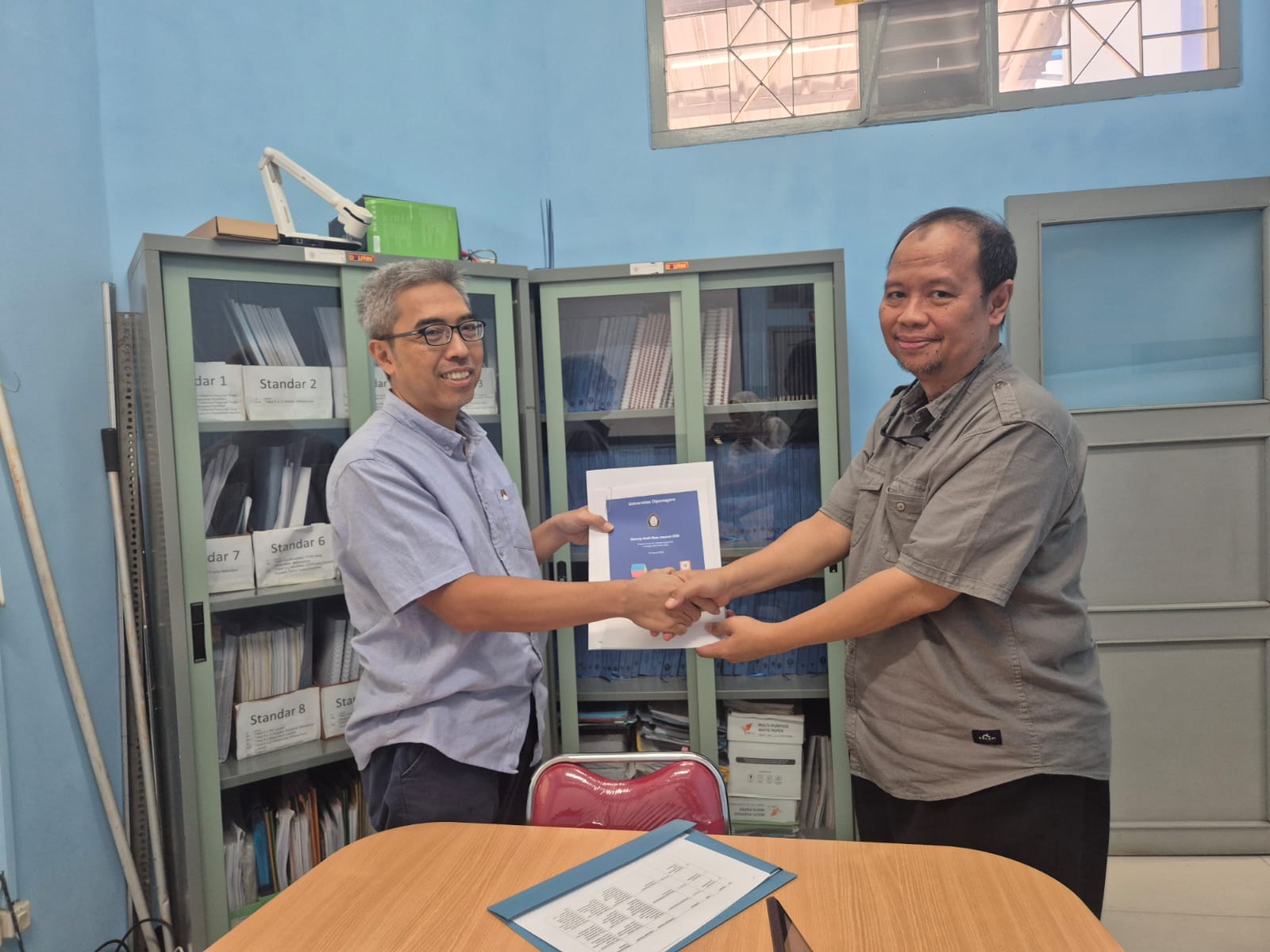
Looking ahead, the Department of Electrical Engineering at Undip remains committed to continuously optimizing the implementation of internal quality assurance as a foundation for realizing its academic vision of excellence — particularly in the development of intelligent and integrated systems engineering oriented toward innovative solutions relevant to contemporary needs. Through objective and continuous auditing, it is hoped that the quality of education in both the Undergraduate and Master’s Programs in Electrical Engineering will continue to improve, in line with the demands of national and international higher education quality standards.